Encryption Protocols Fortifying User Data in Cross-Border Mobile Wagering
Klara Hoffmann · Aug 16, 2026
Encryption Protocols Fortifying User Data in Cross-Border Mobile Wagering
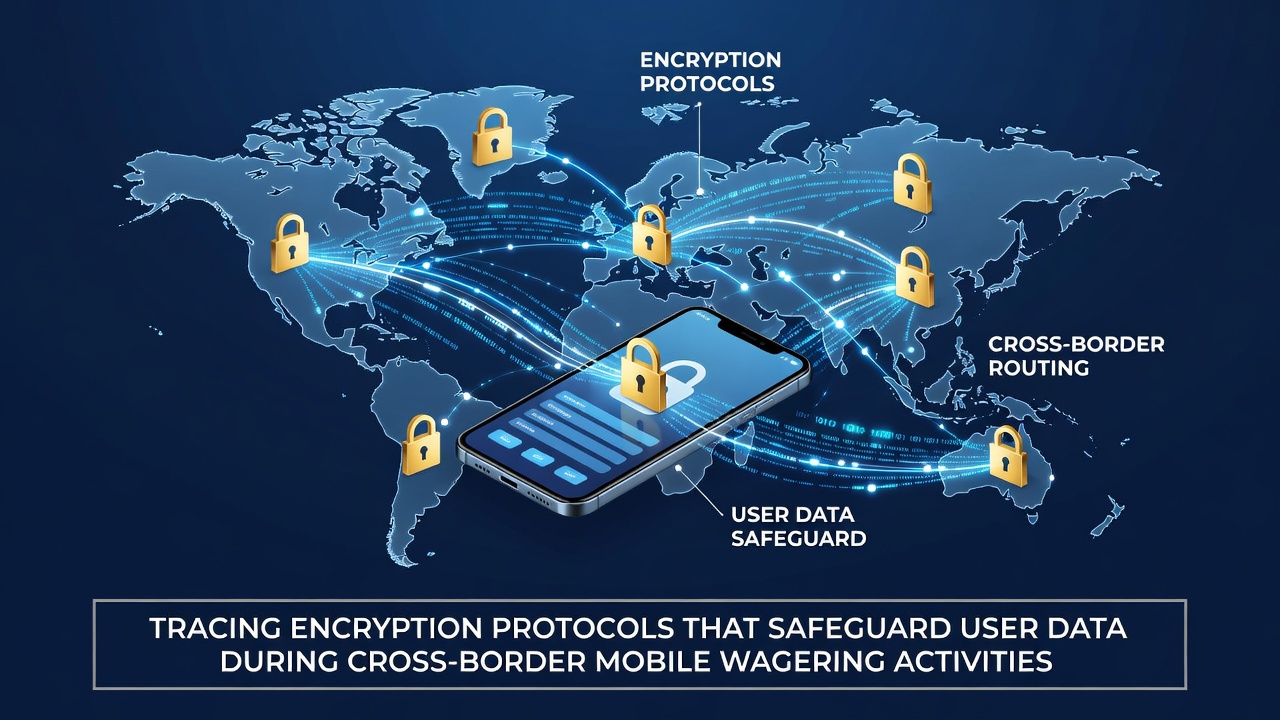
Encryption protocols form the backbone of data protection when users engage in mobile wagering across national boundaries, and operators must navigate a patchwork of technical standards that keep personal and financial information secure during transmission. These systems rely on established methods such as Transport Layer Security combined with Advanced Encryption Standard algorithms to scramble data packets as they travel between devices and servers located in different jurisdictions.
Core Technologies at Work in Mobile Wagering
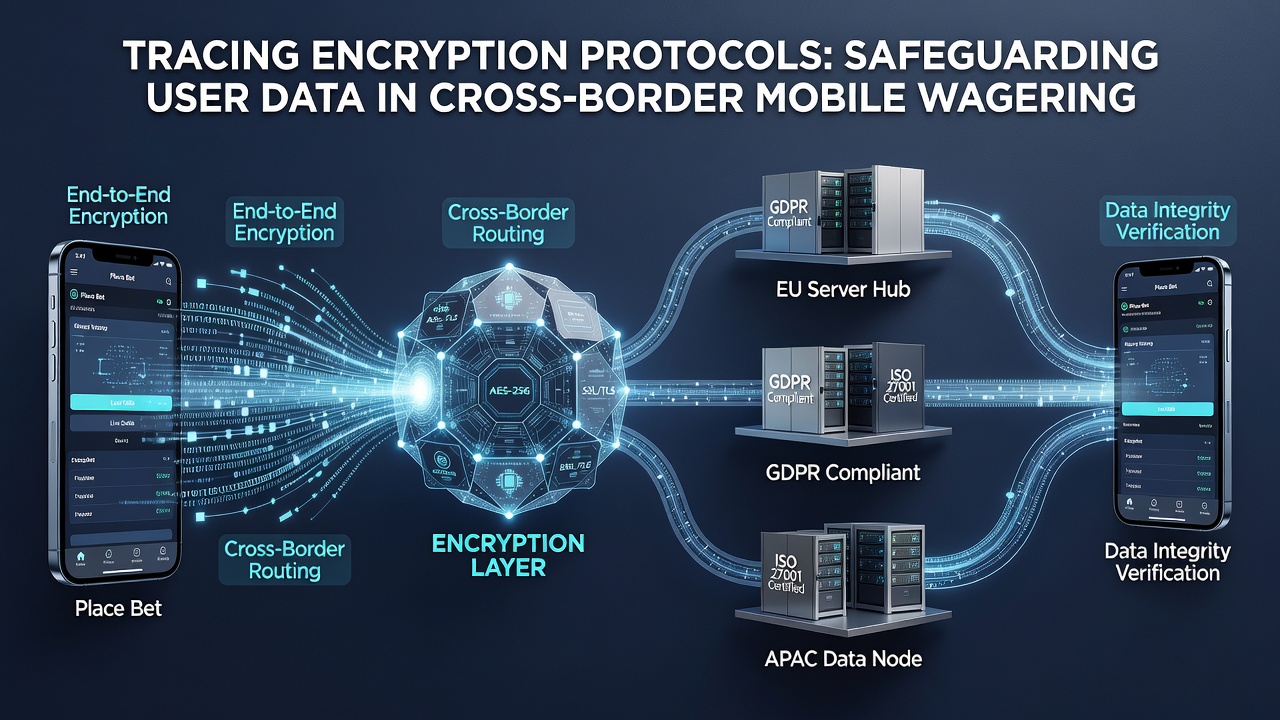
Operators deploy TLS 1.3 as the default handshake mechanism because it reduces latency while maintaining forward secrecy, which means session keys remain protected even if long-term keys are later compromised. AES-256 encryption sits inside those secure channels to handle bulk data, and researchers have documented its resistance to known brute-force attacks when implemented with proper key management. Mobile applications integrate these layers at the operating system level, so data never leaves the device in plaintext form before it reaches the wagering platform.
Key exchange protocols like Elliptic Curve Diffie-Hellman further strengthen the setup by allowing devices and servers to agree on shared secrets without transmitting the actual keys. This approach proves especially useful in cross-border scenarios where network paths cross multiple regulatory zones with varying interception capabilities. Studies from academic institutions show that elliptic curve methods deliver equivalent security to larger RSA keys while consuming fewer resources on handheld devices.
Regulatory Influences on Protocol Selection
Jurisdictions impose distinct requirements that shape which encryption suites operators can deploy. The European Union's data protection framework, for instance, mandates strong cryptographic safeguards for personal data processed during gambling sessions, while certain North American state regulators reference NIST guidelines when auditing mobile platforms. In August 2026, compliance reports indicated that platforms serving multiple regions had standardized on cipher suites approved by both the U.S. National Institute of Standards and Technology and equivalent bodies in Asia-Pacific markets.
These overlapping rules force providers to maintain flexible configurations that satisfy the strictest standard applicable to any user in the session. Data localization rules in some countries add another layer, requiring that encryption keys reside within specific geographic boundaries even as the encrypted traffic itself routes globally.
Challenges in Maintaining Consistent Protection
Network variability during cross-border connections introduces risks that protocol designers address through certificate pinning and certificate transparency logs. These techniques prevent man-in-the-middle attempts that could arise when traffic passes through unfamiliar infrastructure. Observers note that mobile wagering platforms also incorporate tokenization for payment details, replacing sensitive card numbers with unique identifiers that hold no value outside the specific transaction environment.
Quantum computing developments have prompted some operators to begin testing post-quantum cryptography hybrids alongside current standards. Although large-scale quantum threats remain theoretical for now, preliminary implementations combine lattice-based algorithms with existing AES implementations to future-proof session security. Industry reports from 2026 highlight pilot programs in regulated markets that test these hybrid approaches without disrupting live wagering sessions.
Integration with Identity and Access Controls
Encryption does not operate in isolation from authentication systems. Multi-factor methods tied to device biometrics feed into encrypted channels, ensuring that only verified users can initiate or resume wagering activities. Token-based session management further limits exposure by issuing short-lived credentials that expire quickly if a connection drops during international roaming.
Those who analyze traffic patterns across borders have found that consistent use of these combined controls correlates with fewer reported incidents of unauthorized access. The ball remains in the operators' court to update cipher preferences as new vulnerabilities surface and regulatory bodies issue fresh guidance.
Conclusion
Encryption protocols continue to evolve alongside the technical and legal demands of cross-border mobile wagering. Standards bodies and platform developers work together to refine these tools, ensuring data remains protected as it moves between devices, networks, and jurisdictions. Ongoing testing and regulatory alignment keep these safeguards effective amid changing threat landscapes and expanding user bases.