Mapping Adaptive Risk Protocols That Govern Access Thresholds Across International Digital Betting Networks
Greta Schmidt · Jun 12, 2026
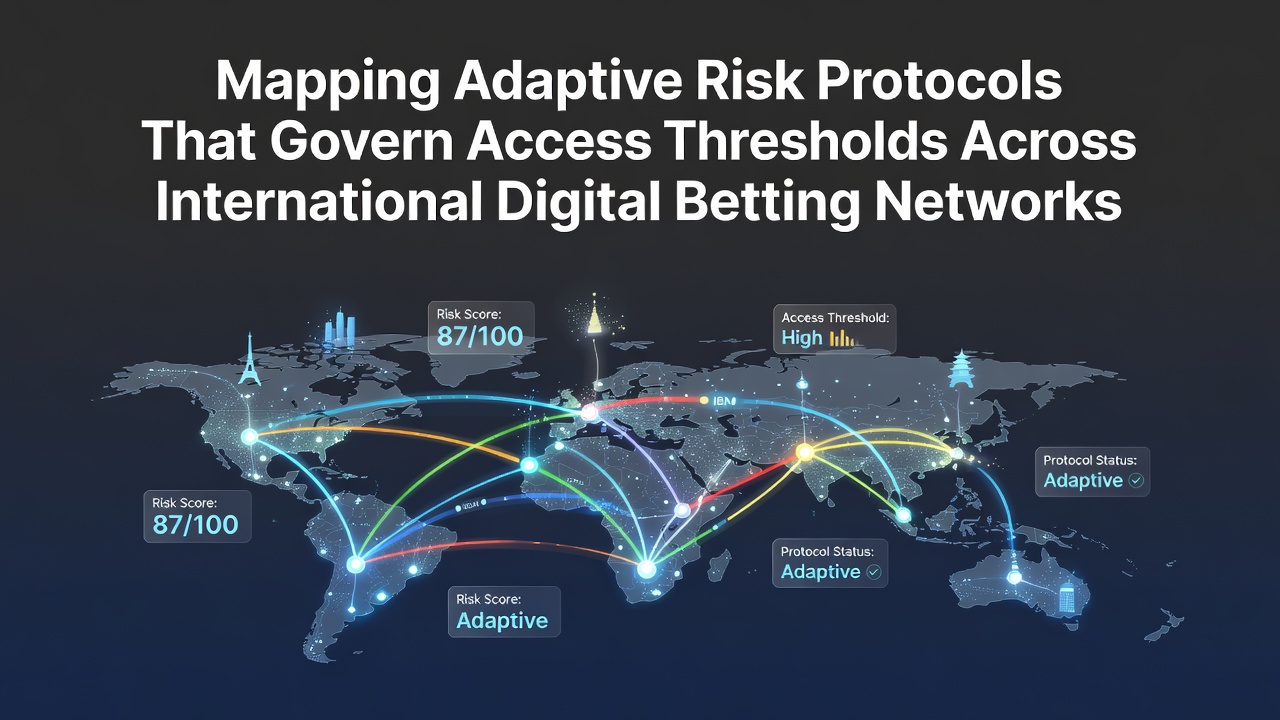
Mapping Adaptive Risk Protocols That Govern Access Thresholds Across International Digital Betting Networks
Digital betting platforms operate across multiple jurisdictions where operators apply adaptive risk protocols to set dynamic access thresholds, and these systems adjust limits on deposits, wagers, and withdrawals based on real-time user data, location signals, and behavioral patterns. Such protocols integrate machine learning models with regulatory requirements that differ from one region to another, creating a layered framework that operators must map and maintain to stay compliant while managing exposure.
Core Components of Adaptive Risk Protocols
Protocols typically combine static rules with dynamic scoring engines that recalculate thresholds after each transaction or session, and they draw inputs from device fingerprints, IP geolocation, payment velocity, and historical activity. Researchers at academic institutions have documented how these engines assign risk scores that trigger automatic adjustments, such as lowering maximum bet sizes when a user exhibits rapid deposit patterns across multiple networks. Data from industry reports indicates that operators in regulated markets track over 200 variables to refine these scores, which allows thresholds to tighten or relax within seconds of new information arriving.
Threshold categories usually cover account creation limits, deposit caps per hour or day, single-bet maximums, and cumulative loss triggers that pause further activity until manual review occurs. Because protocols operate continuously, they can respond to cross-border signals like a user logging in from a high-risk jurisdiction while using a payment method flagged in another country. Observers note that synchronization between these data streams requires robust APIs and shared watchlists maintained by multiple operators and regulators.
Regional Mapping of Threshold Frameworks
European markets outside the United Kingdom rely on national licensing bodies that impose distinct reporting standards for risk protocols, and operators serving several countries must therefore maintain separate rule sets that align with each authority. In Australia, the Australian Communications and Media Authority requires operators to implement harm-minimization thresholds that adapt according to player activity logs, while Canadian provincial regulators emphasize responsible gambling triggers tied to verified identity checks. Figures from recent compliance audits reveal that Australian platforms adjust deposit thresholds an average of 14 times per active user per month when risk indicators rise.
North American frameworks add another layer because state-level gaming control boards in the United States set their own access rules, and these often incorporate tribal gaming compacts that reference both federal and local standards. Operators therefore map protocols that switch between stricter and more permissive thresholds when a user crosses state lines or accesses services through VPNs that obscure location data. Such mapping demands continuous updates to geo-fencing databases and integration with real-time regulatory feeds.
Technical Implementation and Data Integration
Mapping these protocols involves charting data flows from front-end applications through middleware scoring engines and into backend compliance modules, and many platforms use graph databases to visualize relationships between user accounts, devices, and transaction histories. In June 2026 several technology providers released updated toolkits that let operators visualize threshold changes across global networks in a single dashboard, which reduces the time needed to audit protocol performance. These tools pull from standardized data schemas that regulators in multiple jurisdictions now encourage to improve interoperability.
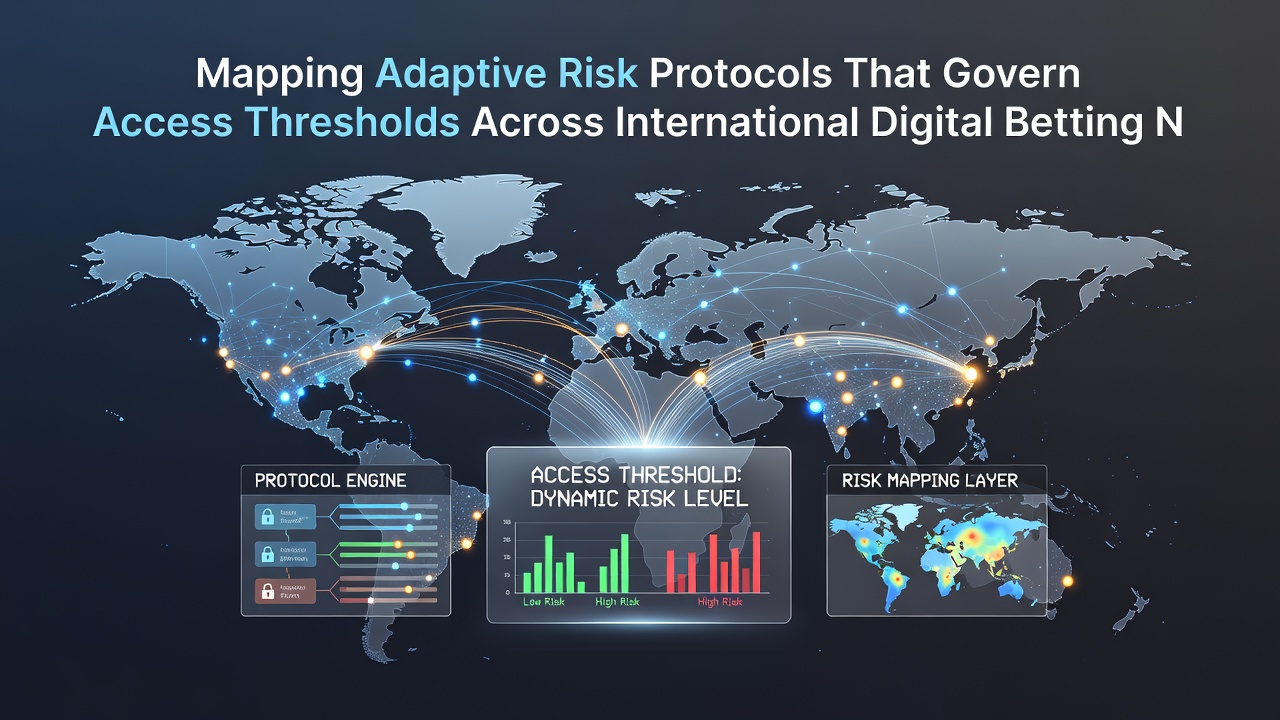
Integration points include payment processors that supply velocity data, identity verification services that return risk flags, and internal game servers that report session duration and bet frequency. When combined, these streams feed algorithms that recalculate thresholds, and operators test the resulting outputs against historical incident logs to verify accuracy. Studies conducted by independent research firms show that platforms using multi-source data integration reduce false-positive blocks by approximately 27 percent compared with single-source systems.
Regulatory Updates and Cross-Border Coordination
Coordination between regulators remains uneven because each jurisdiction maintains its own risk taxonomy and reporting cadence, yet several international bodies have begun publishing shared guidelines that encourage common data fields for threshold events. In June 2026 representatives from North American and Australian regulators met to discuss alignment on cross-border alert sharing, which could allow faster identification of accounts attempting to circumvent thresholds by switching networks. Industry associations have published white papers that outline recommended mapping practices, and these documents emphasize audit trails that capture every threshold change with timestamp and triggering variables.
Operators that serve multiple regions therefore maintain mapping documents that translate local rules into unified protocol logic, and they conduct periodic reviews to confirm that changes in one jurisdiction do not inadvertently affect thresholds applied elsewhere. Evidence from compliance filings indicates that such reviews occur at least quarterly, with additional checks triggered after any regulatory circular or enforcement action.
Conclusion
Mapping adaptive risk protocols requires operators to maintain detailed inventories of thresholds, data sources, and regulatory obligations across every market they serve, and the process continues to evolve as new technologies and coordination efforts emerge. Platforms that invest in clear visualization and integration frameworks position themselves to respond efficiently when rules or user patterns shift. Continued documentation and testing remain essential for keeping these systems aligned with both technical capabilities and jurisdictional requirements.