The Architecture of Multi-State Progressive Jackpot Linkages in Mobile Environments
Greta Schmidt · Jul 10, 2026
The Architecture of Multi-State Progressive Jackpot Linkages in Mobile Environments
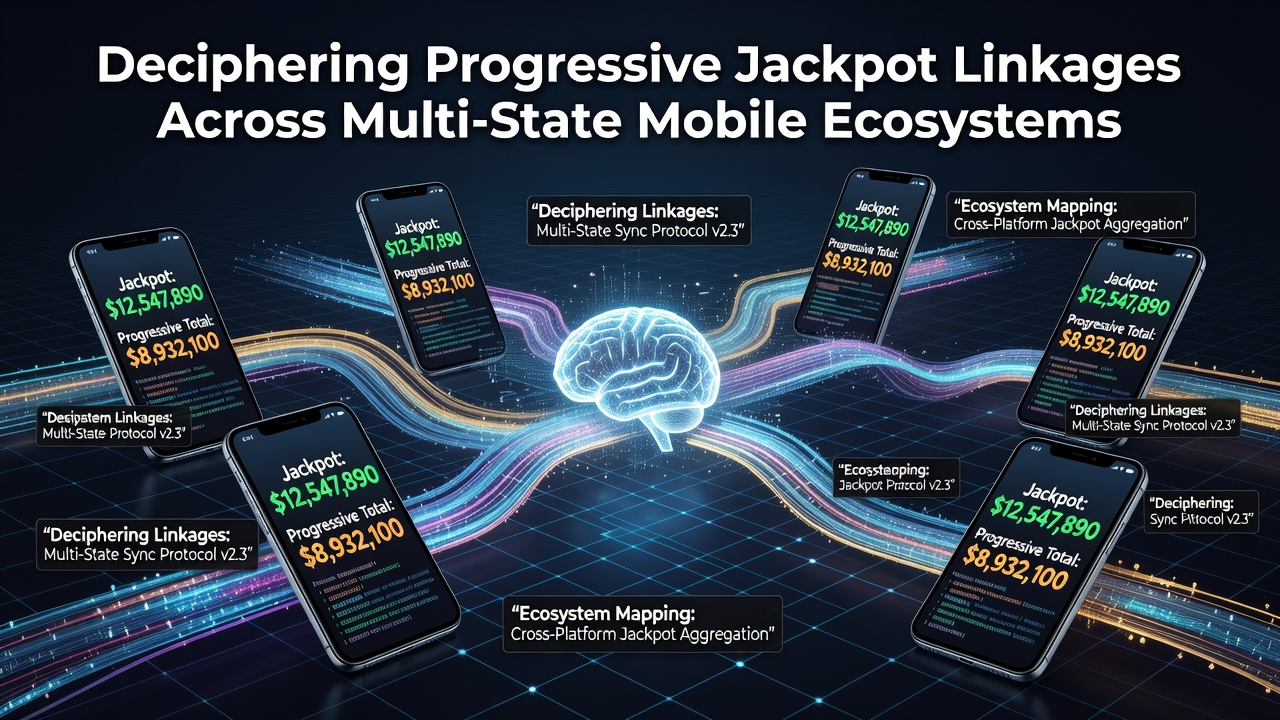
Progressive jackpot systems in mobile gaming rely on interconnected pools that draw contributions from players in different states, and operators must coordinate these linkages while meeting separate regulatory standards in each jurisdiction. Data from industry reports indicate that these shared pools accumulate faster when mobile access expands the participant base across borders, yet each state maintains its own rules on game approval, player verification, and tax allocation.
Core Technical Components of Linked Systems
Central servers hosted by licensed operators collect small percentages from each qualifying bet made on connected mobile applications, and these contributions feed into a single jackpot meter visible to users regardless of their location. Software providers integrate application programming interfaces that synchronize meter updates in real time, while random number generators certified by independent testing labs determine outcomes on individual devices. Observers note that latency issues can arise when network conditions vary between states, prompting companies to deploy edge computing nodes that reduce delays and maintain consistent display of the growing prize amount.
Regulatory Coordination Across Jurisdictions
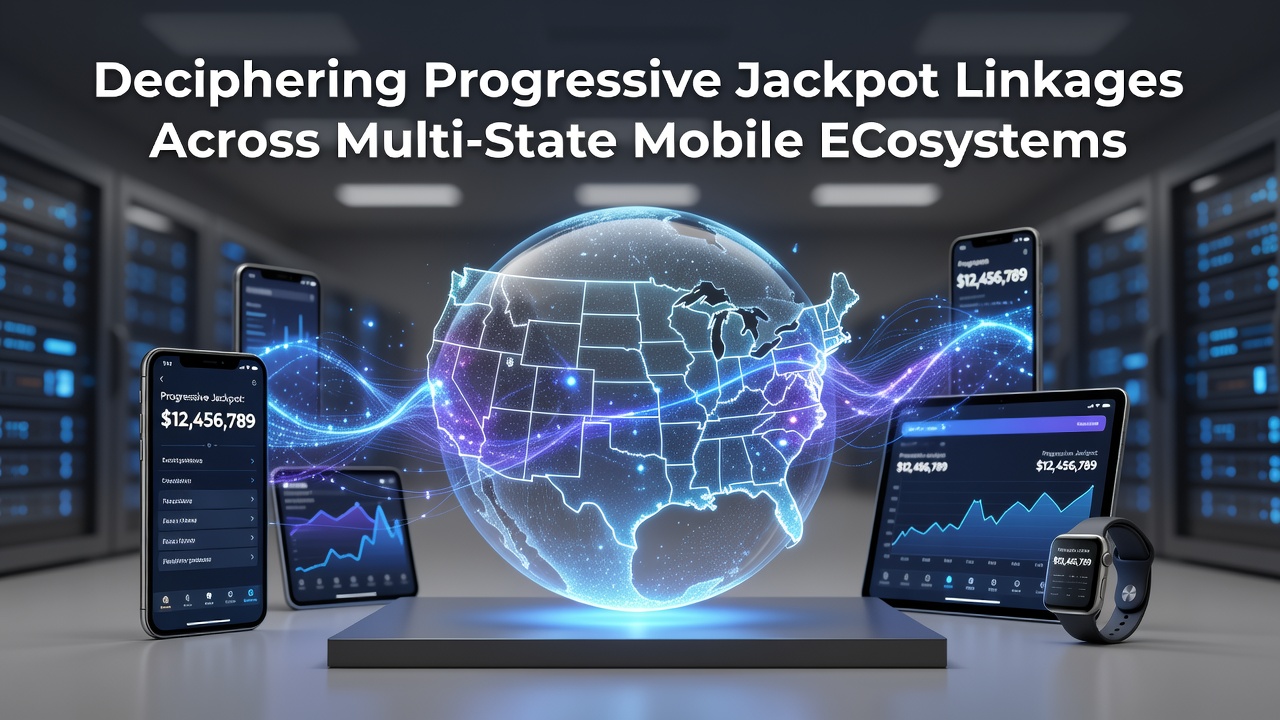
States such as New Jersey, Pennsylvania, and Michigan each require separate licensing for operators who wish to participate in multi-state jackpot pools, and regulators review the underlying software and financial controls before granting approval. As of July 2026, several interstate compacts have emerged that allow limited data sharing between gaming control boards to verify player eligibility and prevent duplicate accounts. Figures from the Nevada Gaming Control Board reveal that cross-border jackpot contributions grew by more than 40 percent between 2024 and 2026, driven largely by expanded mobile legalization in additional states.
Compliance teams must map every jackpot contribution to the correct tax jurisdiction because winnings are typically taxed in the state where the player is physically located at the time of the win. This mapping process relies on geolocation services that cross-reference IP addresses, device GPS data, and carrier signals to establish accurate location records before any prize is awarded.
Mobile Ecosystem Integration Challenges
Application stores in different regions enforce their own content guidelines, which sometimes restrict how jackpot meters are advertised or how bonus features tied to progressive pools are presented. Developers therefore create modular codebases that allow quick toggling of features based on the detected state of the user, and they conduct regular audits to confirm that only approved configurations reach players in each market. Researchers at institutions studying digital gambling platforms have documented cases where mismatched regulatory settings caused temporary jackpot displays to freeze, leading operators to implement redundant verification checks that run every few seconds during active sessions.
Financial Settlement and Player Payout Flows
Once a jackpot is triggered, the winning amount travels through a settlement network that allocates portions to the player, the operator, and the participating states according to pre-agreed formulas. Payment processors certified in each jurisdiction handle the transfer, and anti-money-laundering protocols require enhanced due diligence when prizes exceed certain thresholds. Industry organizations such as the American Gaming Association have published guidelines that help standardize these settlement procedures while respecting local variations in responsible gaming limits.
Some operators maintain separate reserve accounts for each state to ensure rapid payout even if one jurisdiction experiences processing delays. This structure reduces the risk of disputes and supports continued player trust in the integrity of linked progressive systems.
Future Developments in Cross-State Linkages
Emerging technologies such as blockchain-based ledgers are being piloted to create immutable records of every contribution and payout across state lines, and early trials indicate improved transparency for both regulators and players. At the same time, discussions continue about expanding linkages to include tribal gaming enterprises that operate under different sovereignty rules, which could further increase pool sizes while introducing additional layers of legal complexity.
Conclusion
Progressive jackpot linkages across multi-state mobile ecosystems depend on precise technical synchronization, careful regulatory navigation, and reliable financial infrastructure that together support growing participation while upholding each jurisdiction's standards. Continued expansion will likely hinge on successful interstate agreements and ongoing improvements in geolocation accuracy and settlement speed.