The Interplay Between Instant Withdrawal Options and Player Retention Rates in Digital Gaming Environments
Mia Jung · May 17, 2026
The Interplay Between Instant Withdrawal Options and Player Retention Rates in Digital Gaming Environments
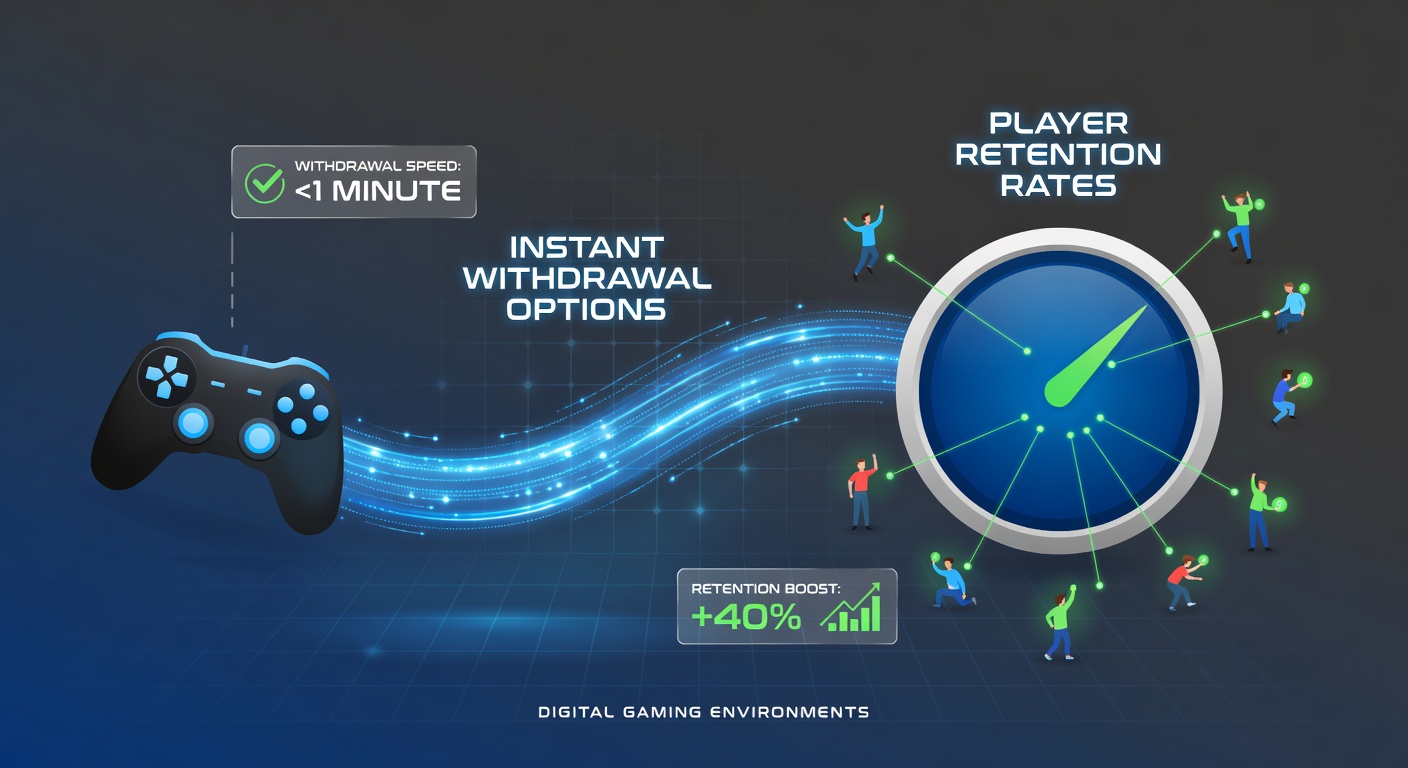
Instant withdrawal features have gained traction across digital gaming platforms as operators respond to player expectations for quicker access to funds and this shift carries measurable effects on how long individuals continue engaging with these environments. Research indicates that when players receive payouts within minutes rather than days the likelihood of returning to the same platform increases because the friction associated with delayed transactions diminishes substantially. Data from industry monitoring services shows retention curves flattening more slowly on sites that advertise same-day or real-time cashouts compared with those maintaining traditional processing windows.
How Instant Withdrawals Operate in Practice
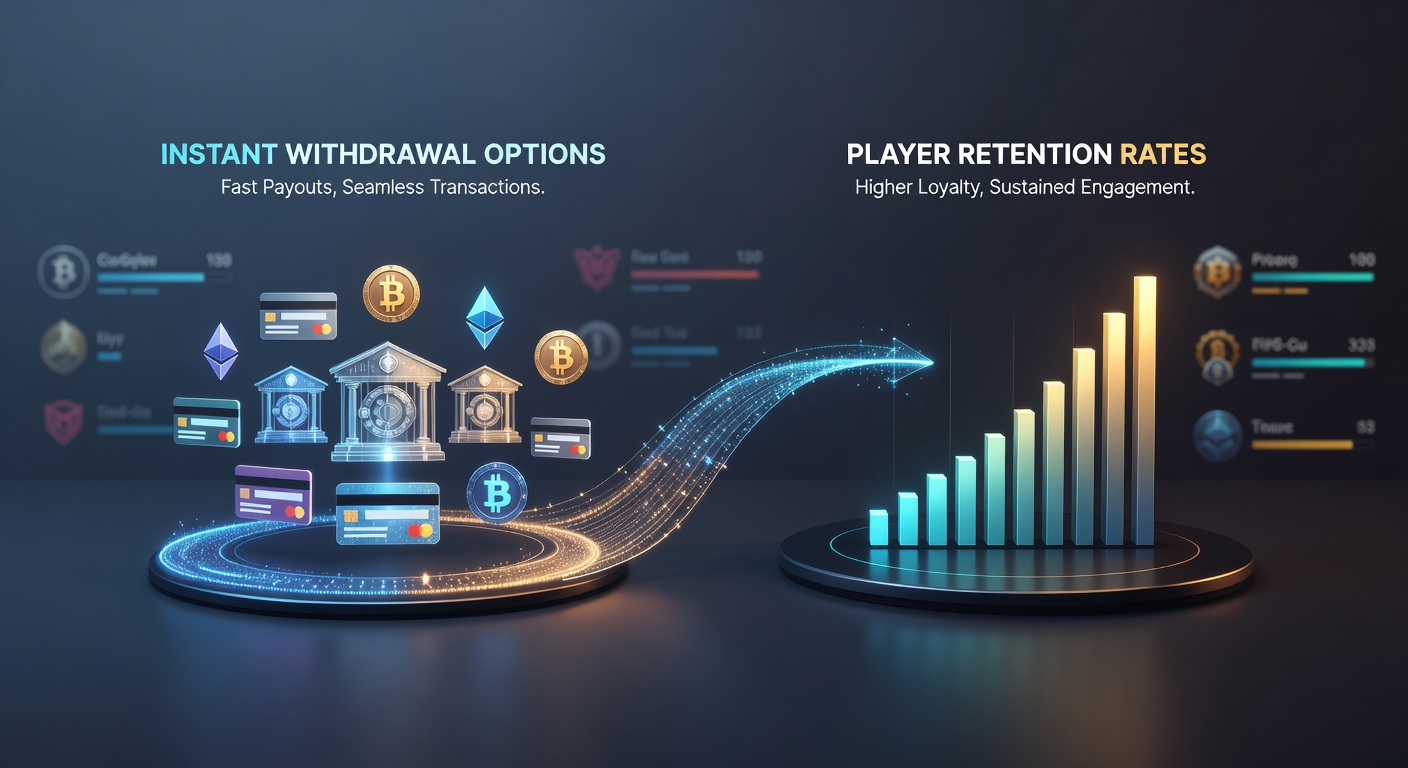
Modern payment gateways integrated into gaming software now support direct bank transfers, e-wallet disbursements, and certain cryptocurrency rails that clear almost immediately after verification. Players initiate a request through the account menu, select an approved method, and receive confirmation once automated checks clear the transaction. Systems employed by larger operators rely on pre-verified identities and real-time fraud scoring so that most requests complete without manual review. Observers note that these streamlined processes became more widespread after several major platforms upgraded their backend infrastructure during 2025, setting the stage for further adoption throughout 2026.
Regulatory developments in multiple jurisdictions have also influenced rollout speed. In May 2026, several European licensing authorities updated technical standards requiring clearer timelines for fund releases and this prompted additional operators to accelerate their instant-withdrawal capabilities to maintain compliance while preserving competitive positioning. Similar adjustments appeared in parts of North America and Asia-Pacific markets where consumer-protection rules emphasize transparent payout procedures.
Connections to Player Retention Metrics
Retention rates serve as a core performance indicator for digital gaming companies and analysts track repeat login frequency, deposit activity, and session length as proxies for continued engagement. When withdrawal times shorten, players report higher satisfaction levels in post-session surveys and this correlates with extended account lifecycles according to aggregated platform data. One analysis covering multiple operators found that sites offering sub-hour withdrawals experienced roughly 15 to 20 percent higher thirty-day retention compared with peers using forty-eight-hour processing windows.
Those who study behavioral patterns in online environments point out that immediate fund access reduces the psychological barrier that sometimes follows a losing streak. Instead of waiting to decide whether to return, players can evaluate their balance right away and choose to re-engage on their own terms. This dynamic appears particularly relevant for mobile-first audiences who value seamless transitions between gaming sessions and everyday financial management.
Supporting Evidence from Industry Reports
Figures compiled by the European Gaming and Betting Association reveal that operators advertising instant cashouts recorded steadier month-over-month active-user growth during early 2026. Parallel findings from Canadian research groups studying provincial iGaming markets echo this pattern, noting that faster payout options coincide with lower churn among mid-tier spenders. These datasets rely on anonymized transaction logs rather than self-reported preferences, lending additional weight to the observed relationship between withdrawal speed and continued participation.
Academic examinations of digital gambling behavior have begun incorporating payout latency as a variable in longitudinal models. Preliminary results presented at 2025 conferences suggested that reducing average withdrawal time from two days to under thirty minutes produced statistically significant lifts in session frequency over six-month observation periods. While causal pathways remain under investigation, the correlation itself has prompted product teams to prioritize faster settlement features in upcoming platform updates.
Operational Considerations for Platforms
Implementing instant withdrawals requires robust liquidity management and partnerships with payment processors capable of handling high-volume real-time transfers. Operators must balance the marketing appeal of rapid cashouts against the need to maintain sufficient reserves and comply with anti-money-laundering checks. Some platforms address this by offering tiered withdrawal speeds where verified high-volume players receive priority processing while newer accounts undergo additional screening.
Security remains a central concern because faster movement of funds can attract sophisticated fraud attempts. Multi-factor authentication, device fingerprinting, and machine-learning models for anomaly detection now form standard layers of protection. When these systems function effectively, they support both speed and safety without forcing players to accept longer wait times.
Conclusion
The relationship between instant withdrawal capabilities and player retention continues to evolve as technology, regulation, and consumer expectations shift in tandem. Available data points to measurable retention advantages for platforms that minimize payout delays, yet successful implementation depends on secure infrastructure, clear policies, and ongoing adaptation to regional requirements. As digital gaming environments expand through 2026 and beyond, the interplay between transaction speed and sustained user engagement will likely remain a focal area for both operators and researchers tracking long-term platform performance.